Blending Tradition and Innovation
Blending Tradition and Innovation
Our Values
Accurately evaluating an artwork’s authenticity is paramount for buying, selling, or owning art with peace of mind. As the global pioneer in leveraging advanced AI technology for art authentication, Art Recognition has taken the lead in providing AI authentication services to art enthusiasts and experts worldwide. Behind the scenes, we work hard to stay ahead of new developments, guaranteeing the utmost accuracy in our analyses.
Mission
We protect the value of artworks with our state-of- the-art technology, whether they are exhibited in museums, owned by art enthusiasts, or traded on the art market.
Vision
To establish a safe and transparent art market by eradicating forgeries and setting a new standard for authenticating art. We are deeply committed to preserving and upholding the rich heritage of the art world.
500+
Completed authenticity evaluations
Completed authenticity evaluations
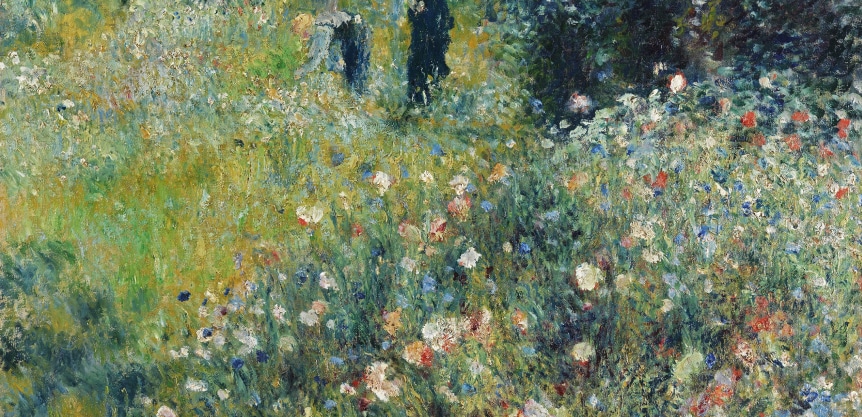
100+
Clients
Clients
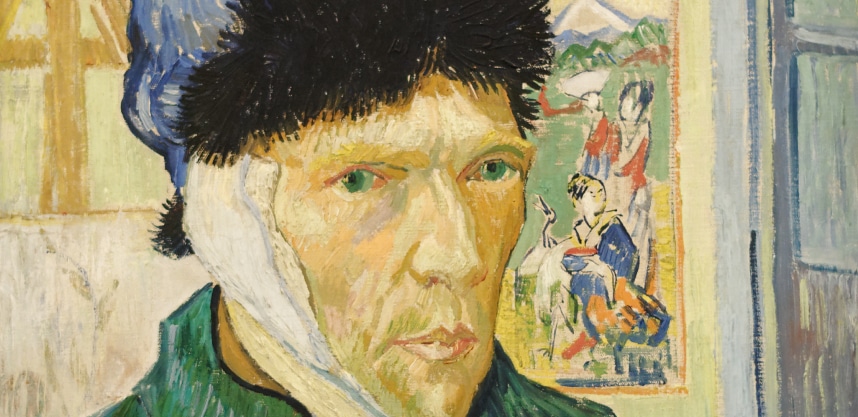
20+
Countries represented by our clients
Countries represented by our clients
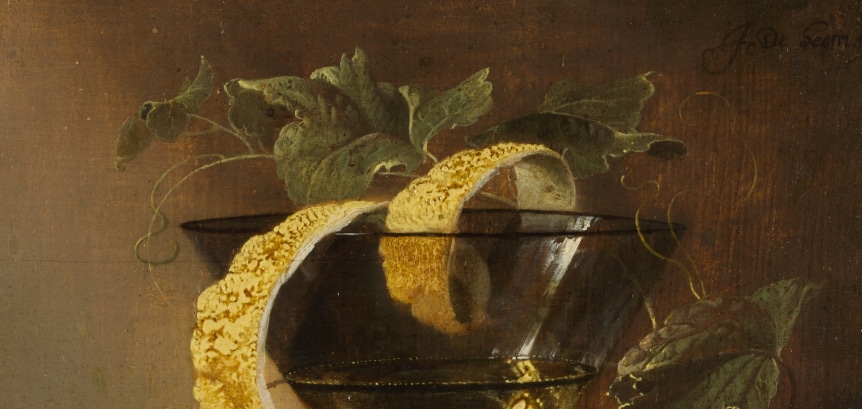
250+
Trained artists
Trained artists
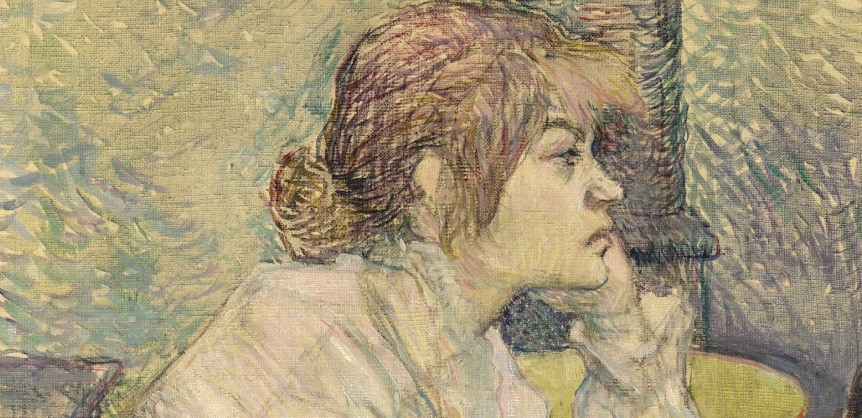
Meet the team

Dr. Carina Popovici
Chief Executive Officer & co-founder

Lukas Knecht
Chief Financial Officer

Amaya Aramburu
Client Relations & Business Development

Marco Latella
AI Development

Batu Arda Düzgün
AI Development

Johanna Induni
Art Historian

Alita De Feudis
Art Historian

Ully Wille
Business Advisor
Art dealer, former head of Sotheby’s in Zurich

Prof. Dr. Eric Postma
Scientific Advisor
Professor in Artificial Intelligence at Tilburg University

Jason Bailey
Business Advisor
ArtTech entrepreneur, public speaker